Republican states enact stricter voting laws ahead of midterm elections
More than three dozen new state voting laws take effect for the midterms, adding stricter ID rules and citizenship proof requirements in Republican-led states.
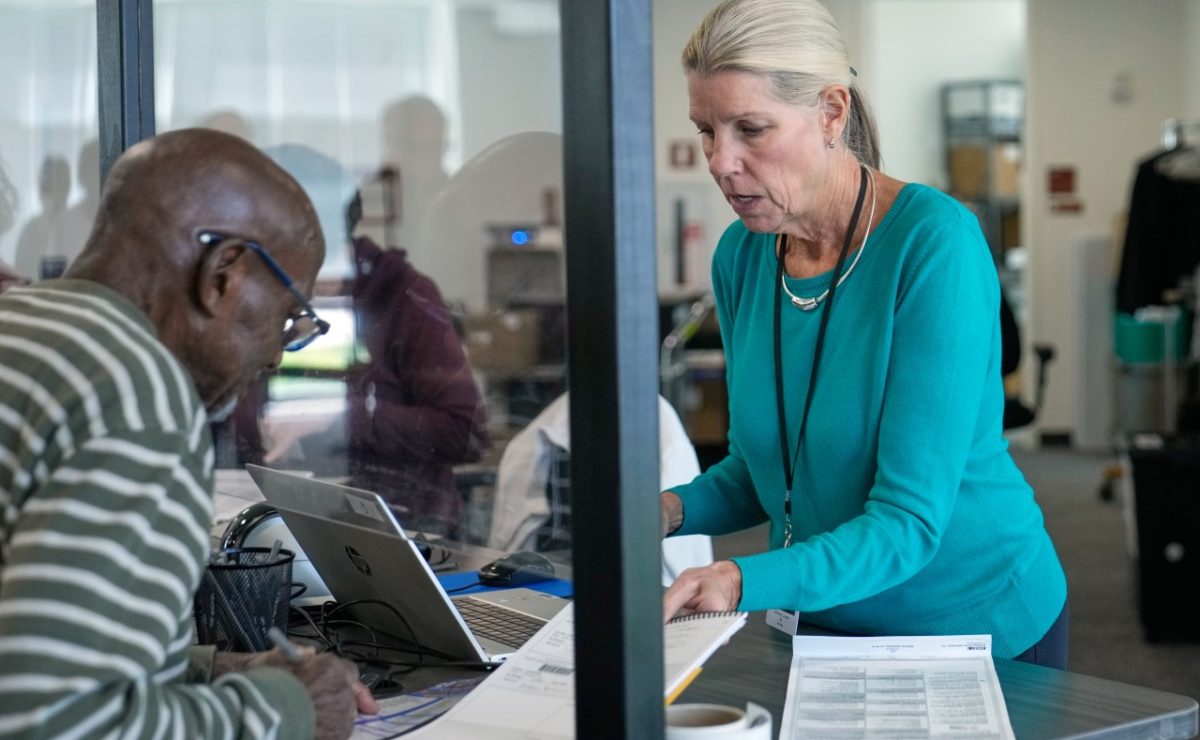
President Donald Trump pushed voting measures in Washington that failed to take effect for the midterm elections. More than three dozen rules passed by Republican-led states are taking effect instead. The measures include changes to acceptable identification for new registrants and requirements to show proof of citizenship.
Federal attempts to require national proof of citizenship or alter mail voting did not pass. State legislatures acted on those ideas directly. The changes take effect this year.
“Trump’s attacks on our elections are deeply damaging, but they are not happening in isolation,” said Sophia Lin Lakin, director of the American Civil Liberties Union’s Voting Rights Project. ”Across the country, states are also advancing restrictions that make it harder for eligible voters to cast a ballot.”
Some new state statutes aim to make voting simpler. Others continue rules started in 2021 following false fraud claims by Trump after his 2020 loss to Democrat Joe Biden. Audits, reviews and recounts confirmed Biden won the race.
The rules alter multiple state voting processes:
- New Hampshire students can no longer use student cards to vote.
- Utah voters must add more details to mail ballot envelopes.
- Mississippi voters may need birth certificates or passports to confirm identity.
New Hampshire state Rep. Donald McFarlane sponsored the bill removing student cards. He said colleges lack the controls that government agencies maintain.
“The change removes a special exception and applies the same government-issued ID standard to all voters,” McFarlane said. Students can still receive free state identification, according to McFarlane.
Court challenges have emerged in South Dakota over registration requirements. Voters registering for the first time must bring driver’s licenses, Tribal cards or state non-driver IDs in person to registration sites.
“Proof of citizenship in itself is not terrible,” said Kathryn Johnson, president of the League of Women Voters of South Dakota. Johnson said driving long distances to register in person creates hardships for workers.
Ohio enforces proof of citizenship at Bureau of Motor Vehicles locations during registration. The state also eliminated its four-day mail ballot grace period. Mail ballots must reach election offices by Election Day.
Voting rights groups object to Ohio cleaning its voter rolls. The databases used to verify citizenship can be outdated, according to Freda Levenson, legal director of the ACLU of Ohio.
“Vast numbers of perfectly eligible voters are vulnerable to being disenfranchised,” Levenson said. The organization filed suit over the law.
Ohio state Sen. Theresa Gavarone sponsored the measure and defended the roll purges. “In the past two years, hundreds of noncitizens have been removed from Ohio’s voter rolls,” Gavarone said in an email. “Every single vote cast by a noncitizen disenfranchises a lawful Ohio voter.”
Voters in Wayne County expressed opposing views on the rules. Retired steel worker Dan Walter said the requirement aims to keep people from voting.
His wife, Jody Walter, agreed the rules create hurdles. “A driver’s license doesn’t prove citizenship, and that’s all they ask for now,” she said. “It’s going to be an obstacle for so many people.”
Millersburg resident Genia Fortune supported requiring citizenship proof. “I just feel like you need to be a citizen and show proof of ID,” Fortune said.
Chris Diaz of the Voting Rights Lab said state lawmakers adopted multiple versions of federal proposals. The group found state activity focused on mail voting, identification and noncitizen reviews.
The U.S. Department of Justice brought election misconduct charges in roughly 90 cases. These include 50 people accused of voting as noncitizens. The country had 227 million registered voters in 2024.
A report from the Brennan Center for Justice at the New York University School of Law tracked the landscape. It identified nearly 40 laws in 21 states that restrict registering, staying registered or casting ballots.
“What I want voters to take away from this is that elections are still run by the states and there are still people in many states who are trying to make it harder for you to vote,” said Sean Morales-Doyle, senior director at the center. “But that’s all the more reason to go make a plan to vote and participate.”
Under the United States Constitution, individual state legislatures establish the times, places and manner of holding congressional elections. State election offices administer registration files and manage polling places for local residents.
Voters face these new requirements as early voting starts across the country.