US military tests new autonomous warfare systems at Fort Polk
The U.S. Army is testing new autonomous systems and drone training at Fort Polk, Louisiana, preparing combat troops for modern robotic battlefield threats.
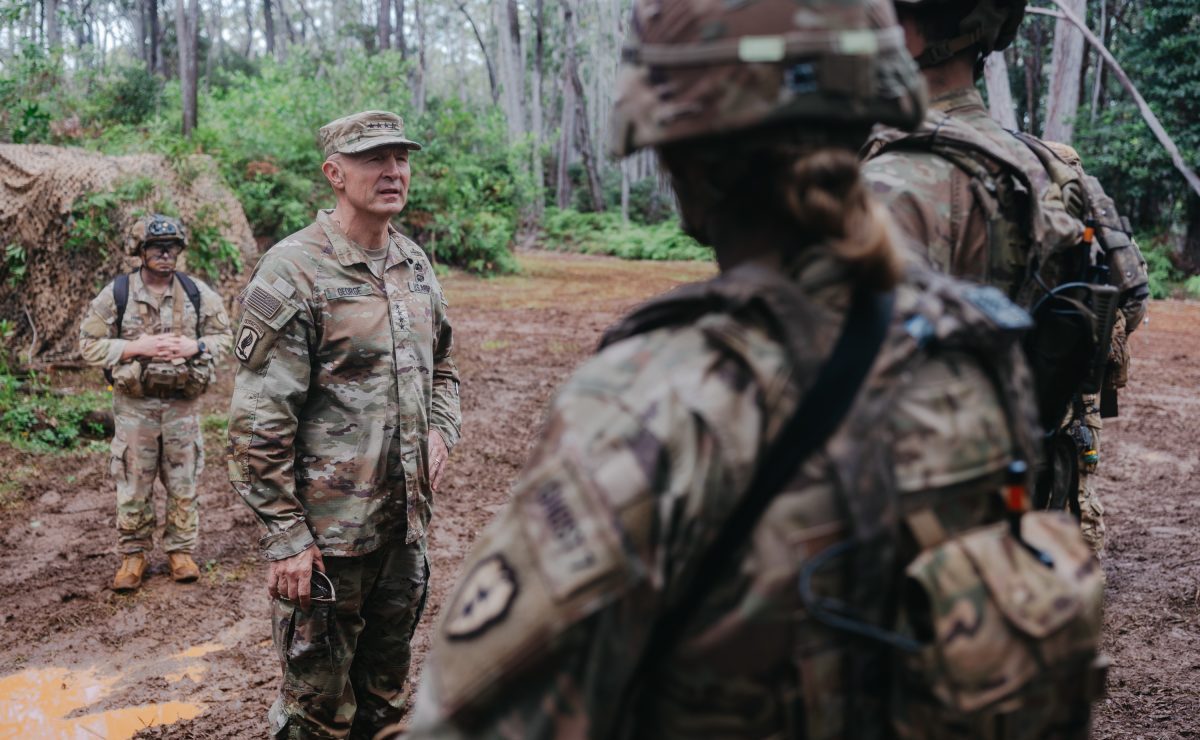
The U.S. Army is testing an integrated autonomous technology system at Fort Polk in western Louisiana. The effort prepares combat soldiers for modern battlefields shaped by artificial intelligence and robotic threats. The system is designed to work across equipment from multiple manufacturers.
The Joint Readiness Training Center serves as the first testing ground alongside defense contractor Forterra. The Pentagon recently created a new Autonomous Warfare Command to scale artificial intelligence and robotic systems. A four-star general will lead that command.
Special Operations veteran Bryan Pickens served 14 deployments to Afghanistan and Iraq. He now trains American and NATO troops on modern tactics.
“I often say we are on a rowboat while our enemies are escaping us on a jet ski,” Pickens said. “The Global War on Terror skills prepared us to fight dirt farmers. Not our peer enemies.”
The platform combines OASIS-Fabric and OneLink technologies to speed decision-making. Phil Cotter serves as the head of growth, sustainment and shaping operations for Forterra. He said the platform acts as the middleware and data layer across distinct tools.
At the center, the 1st Battalion, 509th Infantry Regiment plays the opposing enemy force. That unit carries the nickname Geronimo. Logan Morris is the chairman of Fort Polk Progress and a former civilian aide to the Army secretary.
Morris said Geronimo soldiers receive tools that mirror current and expected enemy capabilities. Those systems include drones, communications and intelligence assets. Forces face equipment from Russia, Iran and China.
The new software cuts down the need to manage dozens of separate controllers. Scott Sanders is the chief growth officer for Forterra. Sanders said an 18-year-old soldier should handle mission planning without waiting on higher headquarters.
Army leaders want both Geronimo and visiting training brigades to utilize the technology. Lt. Col. Trevor Jones commands Geronimo.
“The risk of being outclassed by a rival military’s transformation is very real with the current pace of technological change,” Jones said.
Forterra does not guarantee the system will operate without flaws right away. But Jones wrote that the Army must fail fast during realistic experimentation. That testing prevents the military from falling behind rivals who already hold a head start.
Over the past year, Forterra sent 105 autonomous vehicles to Eastern Europe for Ukraine. Cotter said proven Ukrainian battlefield technology now supports the setup delivered to Geronimo. Sanders stated the company plans to expand the rollout across other training installations.
Cotter stated the firm can protect military data from enemy hands. The company completed an Authority to Operate process under the Department of War. It holds the first major ground autonomy program of record for that agency.
Congressman Mike Simpson, an Idaho Republican, voiced support for the modernization. Simpson said the nation must catch up quickly to keep adversaries from gaining an advantage. He stated that he is excited to protect warfighters with new tools.
Training installations host visiting combat brigades to run realistic mock war drills before real deployments. Facilities like Fort Polk provide terrain and technical simulations to test troop readiness. Military personnel work through operational drills to identify equipment needs before actual combat occurs.
If the testing succeeds, Army officials plan to expand the platform to all combat training centers.