James Robertson sentenced to death faces execution near Starke
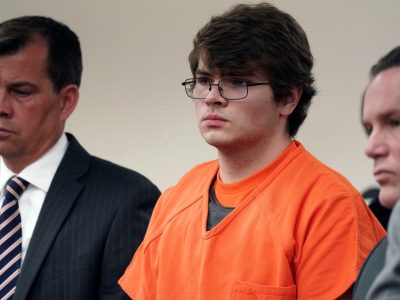
Near Starke, James Robertson faces execution by lethal injection in Florida after waiving all appeals for the 2008 murder of his prison cellmate.
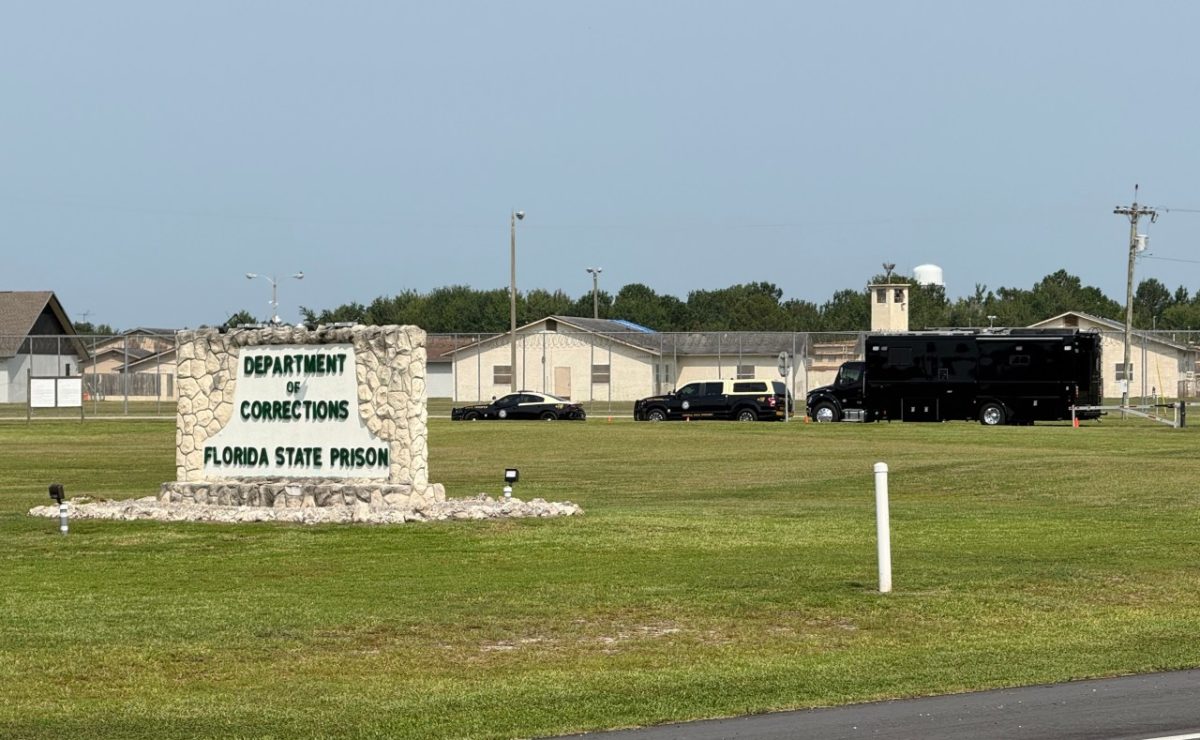
James Robertson faces execution at Florida State Prison near Starke after waiving all his appeals. A three-drug lethal injection is set to begin Tuesday at noon. Robertson pleaded guilty to first-degree murder in the 2008 strangling death of his cellmate, Frank Hart.
Court records show Robertson attacked Hart at Charlotte Correctional Institution north of Fort Myers in December 2008. Robertson tied several socks together and strangled Hart. The other man slept during the attack. He died.
Robertson told investigators that the attack was unprovoked. He said he killed his cellmate to get a death sentence instead of living in prison.
Robertson entered prison in 1980 at age 17 for burglary and assault. In-prison convictions for escape, battery and weapons kept adding time to his total sentence. Hart entered prison in 2003 following a sexual battery conviction.
Robertson pleaded guilty and waived a penalty phase before a jury. A judge sentenced Robertson to death. He later waived all post-conviction proceedings. Robertson told a judge during a hearing earlier this month that he wanted no final appeals.
Opponents say the case undermines claims that executions deter murder. Maria DeLiberato is the legal and policy director for Floridians for Alternatives to the Death Penalty.
The existence of the death penalty may have caused the very violence it purportedly prevents.
DeLiberato said Hart deserved to be safe in prison. Florida Department of Corrections spokesperson Jordan Kirkland addressed execution procedures at a press conference early Tuesday.
Florida has a sound lethal injection process and protocol. We are very committed to carrying that out in a humane and dignified manner.
Kirkland noted he cannot speak to execution procedures in Tennessee, where Christa Pike survived a lethal injection attempt. All Florida executions use a sedative, a paralytic and a heart-stopping drug, according to the Department of Corrections.
Death warrants and state execution schedule
Gov. Ron DeSantis withdrew a death warrant last week for death row inmate William Lee Thompson. The Republican governor provided no reason for withdrawing Thompson’s death warrant. He had temporarily stayed the execution last month pending a psychiatric evaluation.
Thompson, 74, was convicted in the 1976 killing of 23-year-old Sally Ivester. DeSantis is the third governor to sign a death warrant for Thompson. Former governors Bob Graham and Bob Martinez signed warrants for Thompson in the 1980s.
Thompson avoids execution for now, but his sentence remains unchanged. His attorneys said he has dementia and failing health. Only one other inmate remains alive after a death warrant from DeSantis.
Federal proceedings halted a 2019 execution for James Dailey, 80, in the murder of a girl. DeSantis did not sign a new warrant. Florida halted executions during the COVID-19 pandemic and restarted them in 2023.
DeSantis oversaw 19 executions in 2025. Robertson would mark the 17th execution in Florida during 2026. Two more executions are scheduled this year.
William Reaves, 77, faces execution on Oct. 20 for fatally shooting a deputy in 1986. Jesse Guardado, 64, faces execution on Nov. 5 for a fatal 2004 robbery. Carrying out both would tie the state total from 2025.
A death warrant is an official executive order that sets a date and time for an execution. The state corrections department manages death row housing and execution chambers under statutory operating procedures.
Robertson remains held at Florida State Prison near Starke ahead of the scheduled noon lethal injection.