Drug-resistant shigellosis cases linked to sexual activity rise nationwide
US officials reported 13,921 cases of shigellosis, an increasingly drug-resistant bacterial digestive illness that spreads through contaminated food and sex.
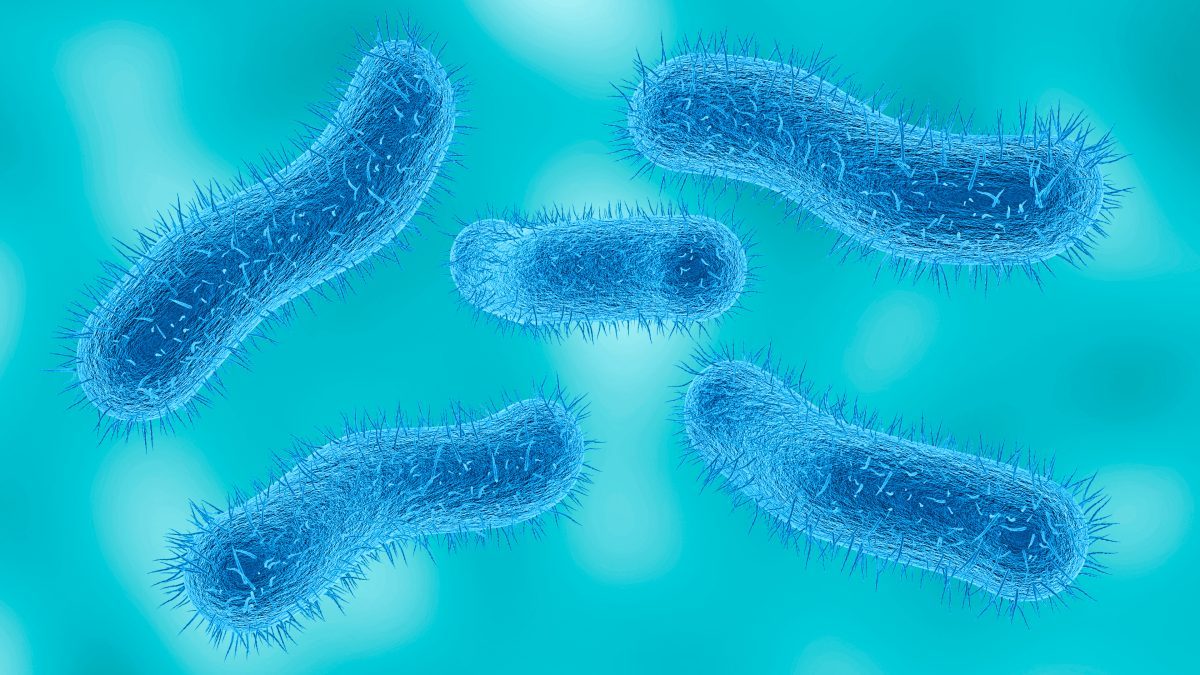
Federal health officials report that 13,921 people across the United States received a digestive illness diagnosis by late September. The Centers for Disease Control and Prevention warned that the bacterium is becoming increasingly resistant to antibiotics. Officials stopped short of declaring an official outbreak.
The total count through Sept. 26 matches the pace of last year. Agency figures show 14,277 total cases occurred during that previous year.
Shigella bacteria cause the illness, which infects nearly 500,000 Americans annually. Even a tiny amount of the germ triggers sickness. Bacteria spread through contaminated food or water. People also catch it through contact with stool during diaper changes. Intimate physical contact spreads the bug too.
Research published in The Lancet shows sexually spread infections grew 15% faster year over year between 2015 and 2020. Men who have sex with men face higher risk, according to the Cleveland Clinic.
Children in day care younger than 5 years old face elevated risk. People experiencing homelessness also share a higher risk of getting sick.
Cambridge geneticist Kate Baker led the study in The Lancet.
“This disease has gone from being relatively treatable with off-the-shelf drugs to being close to untreatable over the course of the last decade or so,” Baker said. “Many men who have sex with men are unaware of the serious and increasing risk posed by sexually transmitted Shigella.”
Extensively resistant samples rose from 0% in 2011 to 8.5% in 2023, according to agency records.
“Most infections resolve without requiring treatment with antimicrobial agents; however, antibiotics are indicated for severe illness or to reduce transmission in high-risk settings,” the agency wrote.
CDC guidance states symptoms usually begin 24 to 48 hours after exposure. The sickness typically lasts five to seven days.
Patients experience specific warning signs:
- Diarrhea lasting more than three days
- Fever
- Stomach pain
- Dehydration
Most patients recover at home. Some severe cases require antibiotics and clinical hydration.
Health experts recommend several prevention steps:
- Avoiding contaminated food and water sources
- Washing hands, genitals and the anus before and after sex
- Washing sex toys with soap and water
- Using condoms and dental dams
- Practicing good hand hygiene
Doctors say rest and liquids resolve most infections within a week. The Cleveland Clinic provides medical care, clinical research and health education to patients across the United States. Medical providers evaluate stool samples in laboratories to confirm bacterial digestive illnesses.
Proper hygiene limits disease spread throughout local communities nationwide. Basic precautions help keep people safe.