Permanent daylight saving time would leave students commuting in dark
Senator Tom Cotton opposed permanent daylight saving time in Washington, warning that shifting clocks year-round forces students into pitch-black morning commutes.
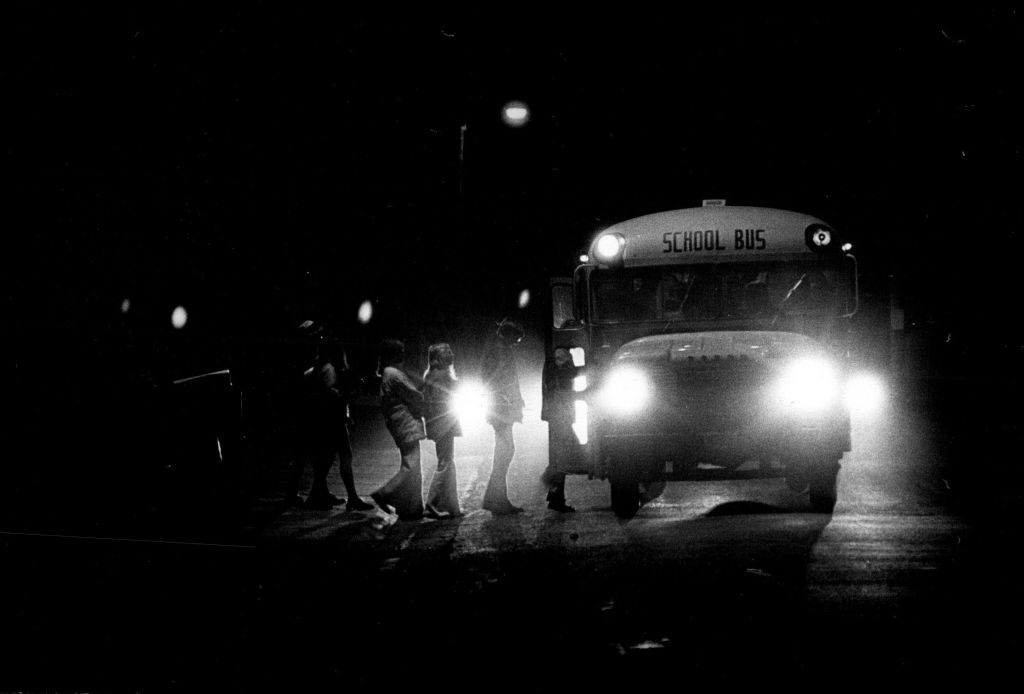
Senator Tom Cotton opposed a daylight saving measure in Washington, pointing to dark mornings for children. He warned that moving clocks forward permanently would force young students into pitch-black morning commutes. Nineteen states want to stop resetting their clocks each November. The House passed a bill backed by Donald Trump earlier this year.
The Senate adjourned without acting on the Sunshine Protection Act. Trump shared the cellphone number of Tom Cotton online. He told people to urge Cotton to support the legislation. Trump called the measure a great bipartisan win.
Cotton defended his position on social media. “No one likes changing the clock, me included,” Cotton said. He cited past national efforts that failed.
Cotton warned about the impact on families. “Arkansans don’t want their kids going to school in the pitch dark, and I’ll always put Arkansas first,” Cotton wrote on X.
Morning Sunrises Shift Across Cities
Most sunrises from November to March happen in the 6 a.m. or 7 a.m. hours. A few northern cities see later light. In Lansing, Michigan, more than 40 sunrises out of 133 currently happen after 8 a.m. Shifting the clocks would push 129 sunrises in Lansing past 8 a.m., with 43 coming after 9 a.m.
A typical winter schedule includes 85 school days between November and March. Nexstar tracked sunrise times across 62 communities for those dates. Under current standard time, an early pupil leaves home before dawn about 50 times. The sun rises before a 7 a.m. commute on the remaining 35 days.
Shifting hours year-round would leave few early sunrises. Only two cities would see dawn before 7 a.m. on at least two school mornings:
- Panama City, Florida, with six early sunrises
- Las Vegas, with two early sunrises
The country tried this policy once before. The United States observed permanent daylight saving in 1973. Public support reached nearly 80 percent in December 1973, according to The New York Times. Approval dropped to 42 percent two months later.
Parents sent students to bus stops with flashlights. Several vehicles struck walking children across the country. Eight students died in Florida crashes. The nation returned to standard time shifts in 1974.
Federal officials studied the historical shift. The U.S. Department of Transportation found no clear link between year-round shifts and vehicle crashes. The agency also determined national energy savings ranged between only 0.4 percent and 1.5 percent.
The Senate may reconsider the proposal in mid-November. Senate Majority Leader John Thune said there is no clear path forward for the bill. Congress plans to adjourn by late December.
The federal legislative branch reviews statutory proposals before sending approved measures to the president. Lawmakers can amend existing time statutes or grant specific exemptions directly to individual state governments.
Clocks are set to fall back to standard time across the country on Nov. 1.